Professional Asphalt Paving & Sealcoating in Northampton, PA
Whether you own a home near Main Street, manage a retail parking lot along Canal Street, or maintain an industrial facility in Northampton, PA, your asphalt surfaces face constant abuse. Between heavy vehicle traffic and Pennsylvania’s harsh freeze-thaw cycles, untreated pavement deteriorates quickly.
At Royal Paving & Sealcoating, backed by generations of hands-on asphalt experience, we deliver high-grade asphalt paving, crack repair, and protective sealcoating built to withstand local weather conditions.
No Caption
No Caption
No Caption
No Caption
Extending Pavement Lifespan
How We Build Pavement Built for Pennsylvania Weather
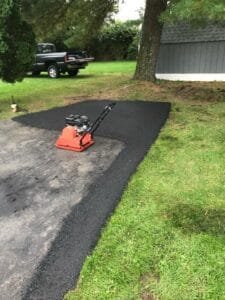
Deep Sub-Base Stabilization: Correcting sub-grade soils to prevent sinkholes and rutting.
Engineered Drainage Solutions: Pitching and crowning surfaces so standing water flows away from structures.
Commercial-Grade Hot-Mix Hot Asphalt: Formulated specifically to handle heavy loads and temperature shifts.
Heavy-Duty Surface Protection: Applying coal-tar or asphalt-emulsion sealants that form an impenetrable barrier against water, road salt, oil, and gasoline.
Why Local Expertise Matters
Northampton experiences the full force of Pennsylvania’s seasonal extremes. From scorching summer UV rays that oxidize and dry out asphalt binder, to autumn rains and brutal freeze-thaw cycles in winter, unsealed and improperly paved surfaces age rapidly.
When rain or melted snow seeps into microscopic surface cracks and freezes, it expands by nearly 9%. This relentless expansion shatters the asphalt matrix from within, creating deep spiderweb cracking, crumbling edges, and hazardous potholes by springtime.
Text Us for a Free Quote — We’ll Call You Back Soon
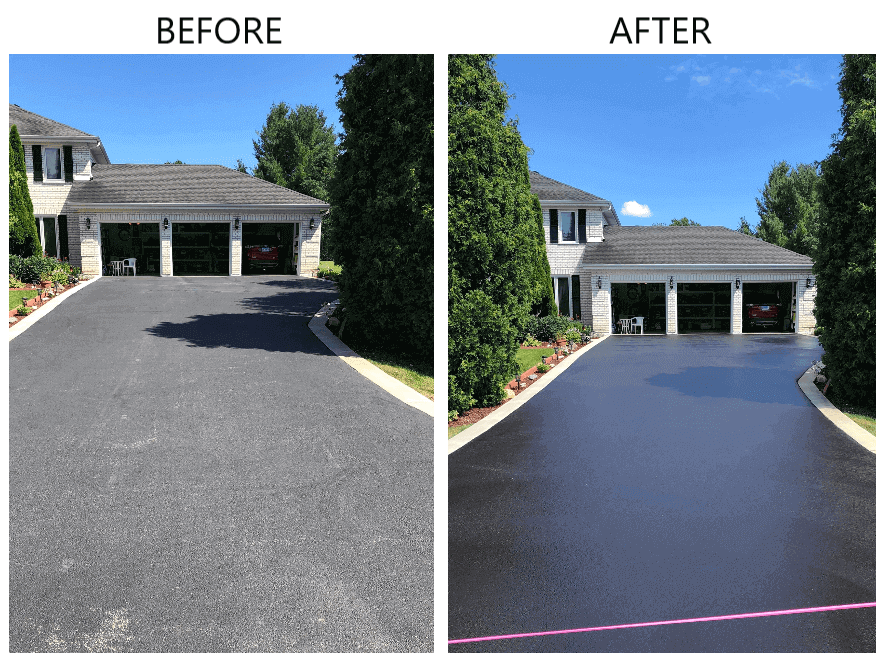
Before & After
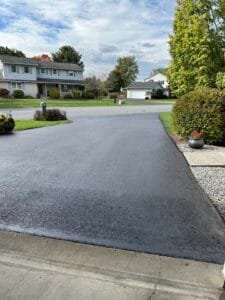
Seeing the physical transformation of a driveway or commercial parking lot highlights the value of professional paving and sealcoating. Here is what you can expect when Royal Paving & Sealcoating takes on your project:
Feature / Aspect
Before Royal Paving Treatment
After Royal Paving Treatment
Surface Appearance
Faded gray, oxidized blacktop with spiderweb cracking, weeds, and oil stains.
Deep, rich, jet-black finish with clean edges and smooth texture that elevates curb appeal.
Structural Integrity
Open cracks allow rainwater and snowmelt to penetrate, causing sub-base erosion and winter frost-heaves.
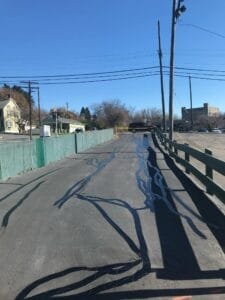
Fissures are sealed with hot-pour rubberized filler, preventing water intrusion and stopping potholes.
Weather Protection
Vulnerable to UV damage, engine fluid spills, road salt corrosion, and freeze-thaw cycles.
Shielded by a commercial-grade sealcoat barrier that lock in vital asphalt oils and repels moisture.
Drainage & Pitch
Low spots create standing puddles and icy winter patches near walkways and garage entrances.
Precision-graded slopes direct water flow safely away from foundation walls and footpaths.
Property Value
Neglected driveways reduce home valuation and project an unmaintained commercial storefront.
Instantly boosts overall property value and delivers a sleek, welcoming entrance for visitors.
Why Northampton Homeowners & Businesses Choose Royal Paving
Generations of Experience: Paving knowledge passed down and perfected over decades of hands-on work in Pennsylvania.
Owner-Operated Care: Nelson Cooper personally oversees projects to ensure standards never compromise.
Local Lehigh Valley Roots: Based right down the road in Bath, PA, we know local municipal requirements, soil compositions, and climate patterns inside and out.
Straightforward Pricing: Honest, transparent estimates with no hidden fees or mid-project surprises.
Fully Licensed & Insured: Complete protection and peace of mind for both residential and commercial properties.
Frequently Asked Questions
Asphalt can crack for several reasons, and age is only one of them. Water drainage problems, unstable soil, poor base preparation, heavy vehicle loads, temperature fluctuations, and Pennsylvania’s freeze-thaw cycles can all contribute to premature cracking. Small cracks should be addressed before they allow water to reach the underlying layers. A professional evaluation can help determine whether the problem is limited to the surface or indicates a deeper pavement issue.
Standing water usually indicates a grading, slope, drainage, or low-area problem. Water that remains on asphalt for extended periods can penetrate cracks and gradually weaken the pavement, particularly during repeated freezing and thawing. Simply applying sealcoat will not correct a drainage problem. The affected area may need grading, drainage improvements, or asphalt repair depending on the underlying cause.
Not every damaged driveway needs complete replacement. If the underlying pavement is still structurally sound, localized repairs and preventive maintenance may be a more practical solution. However, extensive cracking, widespread potholes, severe settlement, drainage issues, or a deteriorated base may make replacement more economical over time. An on-site assessment can help determine which approach makes sense for the property.
Yes. Asphalt designed primarily for passenger vehicles can experience accelerated deterioration when repeatedly exposed to heavy trucks, trailers, construction equipment, or other large vehicles. Concentrated loads can contribute to rutting, cracking, and settlement, especially if the underlying base was not designed for that traffic. If heavy vehicles regularly use your driveway, the pavement design should account for those loads.
Small cracks can become larger openings as water enters the pavement and freezes. Because water expands when it freezes, repeated freeze-thaw cycles can place additional stress on the asphalt. Over time, cracks may spread, develop interconnected patterns, or contribute to potholes and deeper pavement deterioration. Early crack repair is generally easier and less expensive than waiting until substantial damage develops.
Sealcoating can significantly improve the appearance of weathered asphalt by restoring a darker, more uniform surface and providing an additional protective layer. However, it cannot erase structural defects. Deep cracks, potholes, major depressions, and broken sections should be repaired before sealcoating. The best-looking result comes from preparing and repairing the pavement first.
A sloped property requires careful attention to grading and water movement. The goal is to create a stable paved surface while directing runoff away from areas where it could collect or damage the pavement. The slope, existing drainage, surrounding landscape, and location of structures should all be considered before paving begins.